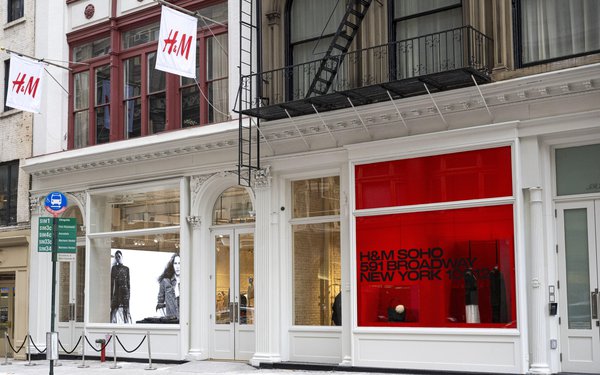
H&M's
efforts to optimize its store fleet and strengthen omnichannel offers are working, leading to higher profits. But the Swedish fast-fashion retailer says shoppers, already squeezed by inflation and
economic worries, will likely feel even more pressured if the conflict in Iran continues.
The retailer's sales fell 1% in local currencies, with the company operating 4% fewer stores than it
did a year ago. Profit margins improved, however, and analysts welcomed the news that the company was selling fewer items on markdown and was continuing to clean up its inventory.
The company
hasn't seen a shopping pullback yet, and after a weak start to the holiday season, it saw selling momentum build throughout the quarter as shoppers warmed to the new spring collection. But it is
forecasting a weak 1% gain in sales for March.
advertisement
advertisement
And in an interview with Reuters, CEO Daniel Erver said he believed a sustained war crisis could have a "significant impact" on the way people
shop. "A continued conflict, such as with continued high energy prices, will create inflationary pressure on a consumer who already has tough inflationary pressure."
In the company's
announcement, Erver also highlighted ongoing improvements in physical stores, including investments in technology, layout and presentation, as well as closures, openings and rebuilds. "In a still
challenging macroeconomic environment marked by increased geopolitical uncertainty, flexibility is more important than ever,” he said. “With the customer in focus, short decision paths and
good cost control, we can adapt to a rapidly changing environment and continue to offer our customers relevant fashion with the best possible value for money."
Jelena Sokolova, an analyst who
follows the company for Morningstar, saw some positives in H&M's financial report, including ongoing investments in portfolio optimization and omnichannel integration, as well as fewer
markdowns.
Still, she's not sold that the repositioning efforts will work. "We remain skeptical about a long-term turnaround," she wrote in her note. "We believe operations alone are unlikely
to strengthen the brand enough to drive meaningful top-line growth, which in our view would require a clearer brand positioning."
And with people increasingly worried about their financial
health, "consumers are increasingly seeking the best price to value." That means fewer are willing to pay full price, limiting growth.