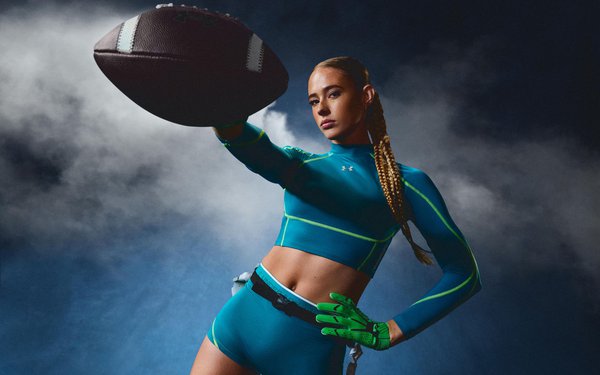
Tariffs, rising costs,
soft consumer demand: Under Armour is fighting all of it. But according to analysts, the brand's deeper problem is one no trade policy can fix: Consumers are confused about who Under Armour is
for.
The company posted another quarter of sales declines, a sizable loss and a weak forecast, and now says the best it can hope for next year is a little
stability. Revenue slipped 1% to $1.2 billion, dragged down by a 7% drop in North American sales to $641 million, though international sales gained 10%. Apparel was flat at $778 million, footwear flat
at $282 million, and accessories grew 2% to $94 million. The company narrowed its loss to $43 million from $80.1 million in the year-ago period — but analysts had hoped for more.
Even more concerning is the outlook. Under Armour's forecast for fiscal 2027 calls for another overall sales decline, with a low-single-digit decrease in North
America only partially offset by low-single-digit international growth.
advertisement
advertisement
The macro environment isn't helping. Moody's, which recently issued a negative outlook
for the entire global retail and apparel sector, specifically flagged that apparel and footwear companies "face weakening discretionary demand, the lingering impact of higher tariffs in the first half
of 2026, and higher fuel costs" — and singled out Under Armour by name, noting the brand "is struggling to gain significant traction with its comprehensive turnaround efforts."
While Under Armour navigates the same tariff minefield as the rest of the apparel sector, it carries an extra burden: It needs to spend significantly more on
marketing just to remind consumers it exists. Rivals like On, Hoka and Adidas are managing sales gains while facing the same headwinds, which makes Under Armour's struggles harder to explain away as
purely situational.
CEO Kevin Plank, who returned to lead the company's turnaround, offered a measured assessment. "Our fiscal 2026 performance reflects the
ongoing intentional steps we're taking to reset the business and restore the discipline required to operate as a best-in-class brand," he said. "Over the past two years, we've addressed structural and
macro challenges head-on while elevating our product strategy." Investors weren't persuaded — the stock fell sharply after release of the latest quarterly report.
The brand problem may be the hardest thing to fix. Neil Saunders, managing director of GlobalData, notes that even though this is Under Armour's best quarterly
performance in two years, the company continues to lose market share. "In our data for customer affinity, Under Armour has only shown very modest signs of improvement in the U.S. and remains
significantly below many other brands," he writes. "Many consumers remain confused."
Until the company rediscovers its footing — through sharper brand
positioning or products that genuinely stand out — Saunders says the evidence for a sustainable recovery just isn't there yet.